Lives
Editorially reviewedWilliam Shakespeare
Playwright and poet (1564–1616)
William Shakespeare was an English playwright, poet, and actor whose plays and sonnets are the most widely performed and translated works in the history of English literature.
William Shakespeare (baptised 26 April 1564 – 23 April 1616) was an English playwright, poet, and actor, and the most widely performed dramatist in the world. He wrote about thirty-nine plays, 154 sonnets, and several longer poems, and his works have been translated into dozens of languages .
Almost nothing is known about his private life. No letters survive, and the documentary record consists mainly of parish registers, legal papers, title pages, and a handful of contemporary references. What can be established is a career in the London theatre that lasted about twenty-five years, from the early 1590s to around 1613 .
This entry covers his Stratford background, his theatrical career, the plays and poems, the First Folio, and the long dispute over the authorship of the works.
Stratford and marriage
Shakespeare was baptised on 26 April 1564 in Stratford-upon-Avon, where his father, John Shakespeare, worked as a glover and wool dealer and held minor municipal offices. His mother, Mary Arden, came from a landowning family. He probably attended the town's grammar school, where the curriculum was Latin rhetoric and classical literature, though no record of his attendance survives .
At eighteen he married Anne Hathaway, then twenty-six, and their daughter Susanna was born in 1583. Twins, Hamnet and Judith, followed in 1585; Hamnet died in 1596. The years between 1585 and 1592 are undocumented, and speculation about them — as a schoolmaster, a soldier, a poacher — rests on no reliable evidence .
London and the theatre
By 1592 Shakespeare was working in London. In that year the dying playwright Robert Greene attacked an actor who presumed to write plays, calling him an upstart crow beautified with others' feathers; the passage is usually read as a shot at Shakespeare and confirms that he had become visible to rivals .
He acted and wrote for the Lord Chamberlain's Men, one of the leading companies, which performed at court and at public playhouses. In 1599 the company built the Globe on Bankside, a circular open-air theatre with a capacity of perhaps three thousand. When James I came to the throne in 1603 the company became the King's Men. The Globe burned down in 1613 during a performance of Henry VIII, and a modern reconstruction stands nearby .
The plays
The plays are usually grouped as histories, comedies, tragedies, and romances. The history plays of the 1590s dramatise the Wars of the Roses and the reign of Henry V; the great comedies include A Midsummer Night's Dream, As You Like It, and Twelfth Night; the tragedies of the early 1600s include Hamlet, Othello, King Lear, and Macbeth .
Shakespeare drew on Holinshed's chronicles, Plutarch's lives, Roman comedy, and Italian novelle, reshaping his sources rather than inventing plots from nothing. He wrote mostly in blank verse, unrhymed iambic pentameter, and shifted into prose for comic and lower-status characters. The plays were written for a repertory company with a fixed cast of sharers and apprentices, and the roles were shaped by the actors available .
The sonnets and poems
During the 1590s, while the theatres were sometimes closed by plague, Shakespeare wrote narrative poems. Venus and Adonis, published in 1593 and dedicated to the Earl of Southampton, went through many editions; The Rape of Lucrece followed in 1594 .
The Sonnets appeared in 1609 in a quarto printed by Thomas Thorpe, with a puzzling dedication to a Mr W. H. The 154 poems divide loosely into a sequence addressed to a young man, a shorter group addressed to a dark-haired woman, and a final pair about love and time. They were probably written over more than a decade and may not have been authorised by the author; their emotional intensity has fuelled centuries of biographical speculation .
The First Folio and the canon
Shakespeare died in 1616, and seven years later two of his fellow actors, John Heminges and Henry Condell, published a collected edition of his plays. The First Folio of 1623 contains thirty-six plays, eighteen of which had not previously appeared in print; without it, Macbeth, The Tempest, and Julius Caesar would probably be lost .
The book divided the plays into comedies, histories, and tragedies, a classification still in use. Around 750 copies were printed, and about 235 survive, most of them in research libraries. The Folger Shakespeare Library in Washington holds the largest collection, and its copies have been used to establish the standard texts .
The margin
Sources
6 references · checked at publication
- 1William Shakespeare
Wikipedia · 2026
- 2William Shakespeare
Encyclopaedia Britannica · 2026
- 3Shakespeare's life
Folger Shakespeare Library · 2026
- 4Globe Theatre
Wikipedia · 2026
- 5Shakespeare
Royal Shakespeare Company · 2026
- 6First Folio
Wikipedia · 2026
Image credits
- Attributed to John Taylor · Public domain · source
Found a broken link or a claim that needs a better source? Use “Report an issue” above. Last checked October 21, 2026.
Provenance
How this entry was made
- Edition
- Seed edition
- Drafted with
- quanshu-seed-editor
- Prompt version
- seed-v1
- Reviewed
- October 21, 2026
This entry is part of QuanShu’s Animalia. Its claims are tied to the sources above; where the record is uncertain, the text says so. It has been checked against its cited sources and is open to correction. Read the editorial policy.
Continue reading
Related entries
Lives
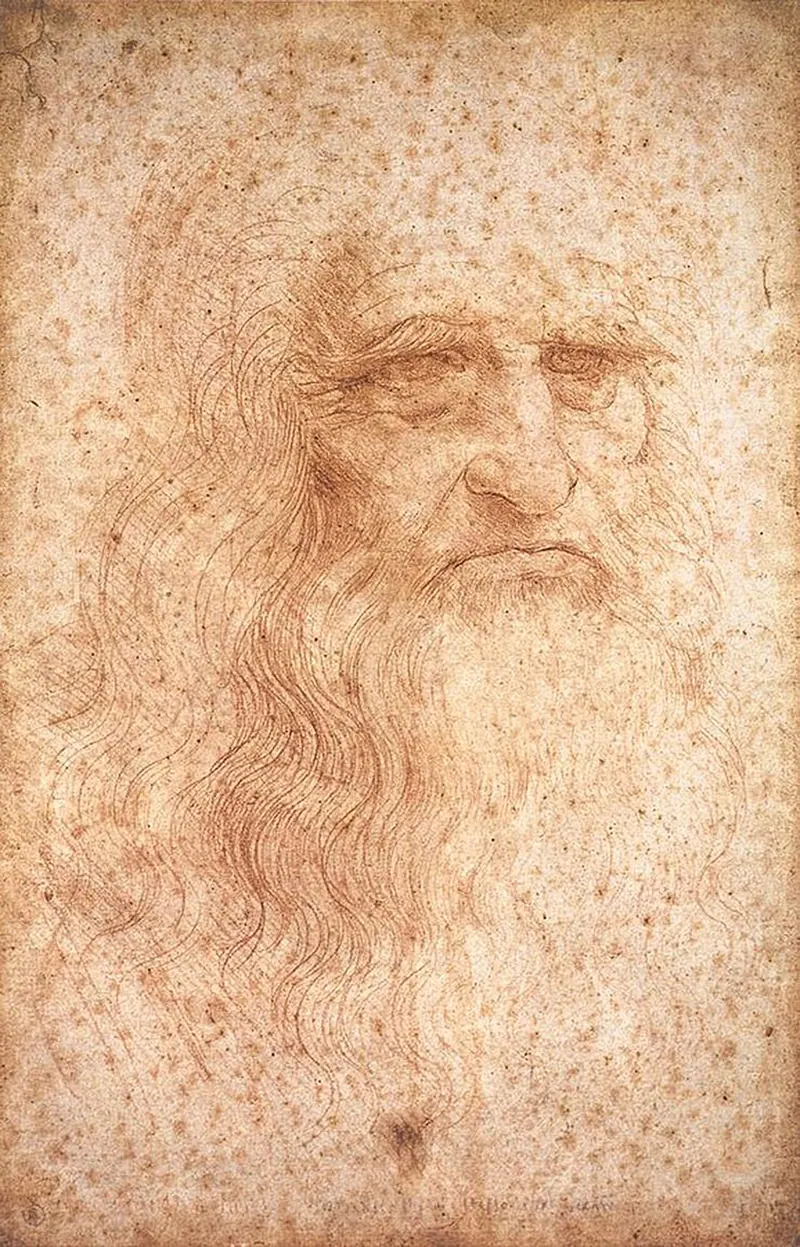
Leonardo da Vinci
Leonardo da Vinci was an Italian painter, engineer, and anatomist whose few finished paintings and thousands of notebook pages made him the emblem of Renaissance curiosity and the most versatile artist of his age.
Lives
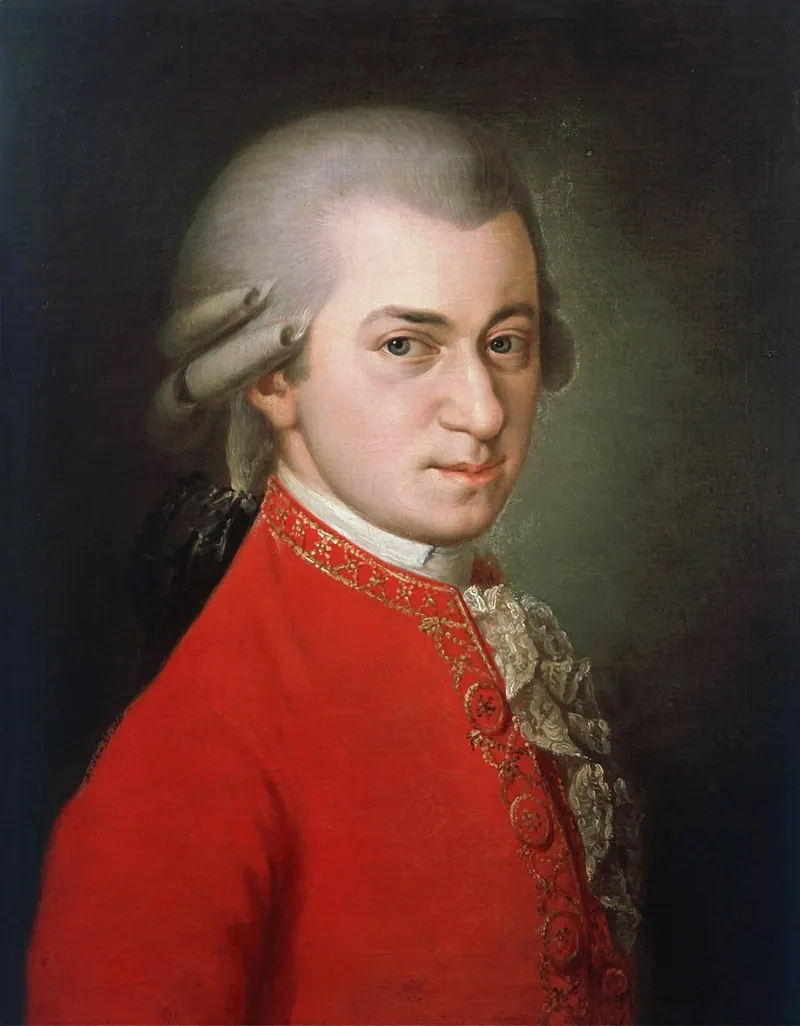
Wolfgang Amadeus Mozart
Wolfgang Amadeus Mozart was an Austrian composer of operas, symphonies, concertos, and chamber music whose more than six hundred works remain central to the concert repertory.
Lives
Cleopatra
Cleopatra VII was the last active ruler of Ptolemaic Egypt, a Greek-speaking Macedonian queen who allied with Julius Caesar and Mark Antony and lost her kingdom to Octavian at Actium.