Lives
Editorially reviewedCleopatra
Last Ptolemaic ruler of Egypt (69–30 BCE)
Cleopatra VII was the last active ruler of Ptolemaic Egypt, a Greek-speaking Macedonian queen who allied with Julius Caesar and Mark Antony and lost her kingdom to Octavian at Actium.
Cleopatra VII Thea Philopator (69 – 10 August 30 BCE) was the last active ruler of Ptolemaic Egypt. A Macedonian Greek by descent, she was the first of her dynasty to learn Egyptian, and she spent her reign trying to keep her kingdom independent in a Mediterranean increasingly dominated by Rome .
Her alliances with Julius Caesar and Mark Antony were marriages of convenience as much as of affection: they secured her throne and gave Rome access to Egyptian grain and money. When Antony lost the naval battle at Actium to Octavian in 31 BCE, the alliance collapsed, and Cleopatra took her own life a year later as Roman forces entered Alexandria .
Her reputation rests less on her own words, none of which survive, than on Roman propaganda and later drama.
The Ptolemaic inheritance
The Ptolemaic kingdom was founded by Ptolemy I, one of Alexander the Great's generals, who secured Egypt after Alexander's death in 323 BCE and took the title of king in 305 BCE. His descendants ruled for nearly three centuries from Alexandria, a purpose-built capital with a famous library and a harbour connecting the Mediterranean to the Nile .
The dynasty remained culturally Greek. Its kings and queens spoke Greek, worshipped a hybrid pantheon that included the invented god Serapis, and married within the family, following Macedonian royal custom. The native Egyptian population, the priesthood, and the army were managed through a bureaucracy that combined Greek administration with Egyptian templates. By the first century BCE, the kingdom's wealth made it a prize that Roman politicians could not ignore .
Accession and Caesar
Cleopatra was born in 69 BCE, a daughter of Ptolemy XII Auletes, whose reign depended on Roman support. When her father died in 51 BCE she became co-ruler with her younger brother Ptolemy XIII, then about ten; a court faction soon drove her from Alexandria .
In 48 BCE Julius Caesar arrived in pursuit of his rival Pompey, who had been murdered on the Egyptian coast. Cleopatra had herself smuggled into the palace to meet him, and Caesar backed her claim, defeating Ptolemy's forces in a campaign that damaged the city. Restored as queen in 47 BCE, she bore a son, Caesarion, whom she claimed was Caesar's. She later visited Rome, and after Caesar's assassination in 44 BCE she returned to Egypt .
Antony and the East
Mark Antony, who controlled the eastern provinces after Caesar's death, summoned Cleopatra to Tarsus in 41 BCE to answer for her support of his rivals. She arrived in elaborate style, and the meeting began a political and personal partnership that produced three children. Antony spent the winter of 41–40 BCE in Alexandria and later based himself there between campaigns .
In 34 BCE, after a failed invasion of Parthia, Antony staged the Donations of Alexandria, distributing territories to Cleopatra and her children and recognising Caesarion as Caesar's heir. To Octavian, this was a direct challenge: it implied that the eastern provinces would become a dynastic inheritance under Cleopatra's sons. Octavian's propaganda presented Antony as a man who had abandoned Rome for a foreign queen .
Actium and the end
War was declared in 32 BCE, ostensibly against Cleopatra rather than Antony. Their fleet and army gathered in Greece, and in September 31 BCE the fleets met at Actium on the Ambracian Gulf. Octavian's admiral Agrippa commanded a larger and better supplied force; Cleopatra's ships broke through the blockade and sailed for Egypt, and Antony followed .
Octavian reached Egypt in 30 BCE. Antony, believing Cleopatra dead, killed himself; Cleopatra was captured and died on 10 August, aged thirty-nine. The ancient accounts say she used a snake, but the method is uncertain. Her son Caesarion was executed, and Egypt became a Roman province .
Reputation and the sources
Almost everything known about Cleopatra comes from writers who were not Egyptian and often hostile, writing well after her death. Octavian's regime had every reason to depict her as a corrupting foreign influence, and the Augustan poets echoed the theme. The claim that she was exceptionally beautiful appears mainly in later legend; Plutarch says her beauty was not remarkable but that her conversation was exceptionally persuasive .
Modern scholarship has shifted attention to her competence. She managed a depleted treasury, negotiated with Roman commanders, appointed officials, and cultivated the Egyptian priesthood. Her later fame owes much to Shakespeare's Antony and Cleopatra (1607) and to cinema, above all the 1963 film with Elizabeth Taylor .
Egypt after Cleopatra
Egypt's wealth, its grain supply, and its strategic position made the province valuable to Rome, and Octavian treated it as a personal possession, appointing a governor rather than a senatorial proconsul. Alexandria remained a centre of scholarship and trade .
The papyri of Roman Egypt preserve a society that continued much as before: Greek-speaking cities, Egyptian villages, temple estates, and a bureaucracy that outlasted the dynasty. Cleopatra's children by Antony were taken to Rome and raised by Octavia; only Cleopatra Selene lived to become a queen, ruling Mauretania with her husband Juba II. Her mother's memory was preserved mostly by the victors, which is why the historical queen and the theatrical one remain so difficult to separate .
The margin
Sources
6 references · checked at publication
- 1Cleopatra
Wikipedia · 2026
- 2Battle of Actium
Wikipedia · 2026
- 3Ptolemaic Kingdom
Wikipedia · 2026
- 4Cleopatra
Encyclopaedia Britannica · 2026
- 5Mark Antony
Wikipedia · 2026
- 6Cleopatra VII
World History Encyclopedia · 2026
Image credits
- Keith Schengili-Roberts · CC BY-SA 3.0 · source
Found a broken link or a claim that needs a better source? Use “Report an issue” above. Last checked October 21, 2026.
Provenance
How this entry was made
- Edition
- Seed edition
- Drafted with
- quanshu-seed-editor
- Prompt version
- seed-v1
- Reviewed
- October 21, 2026
This entry is part of QuanShu’s Animalia. Its claims are tied to the sources above; where the record is uncertain, the text says so. It has been checked against its cited sources and is open to correction. Read the editorial policy.
Continue reading
Related entries
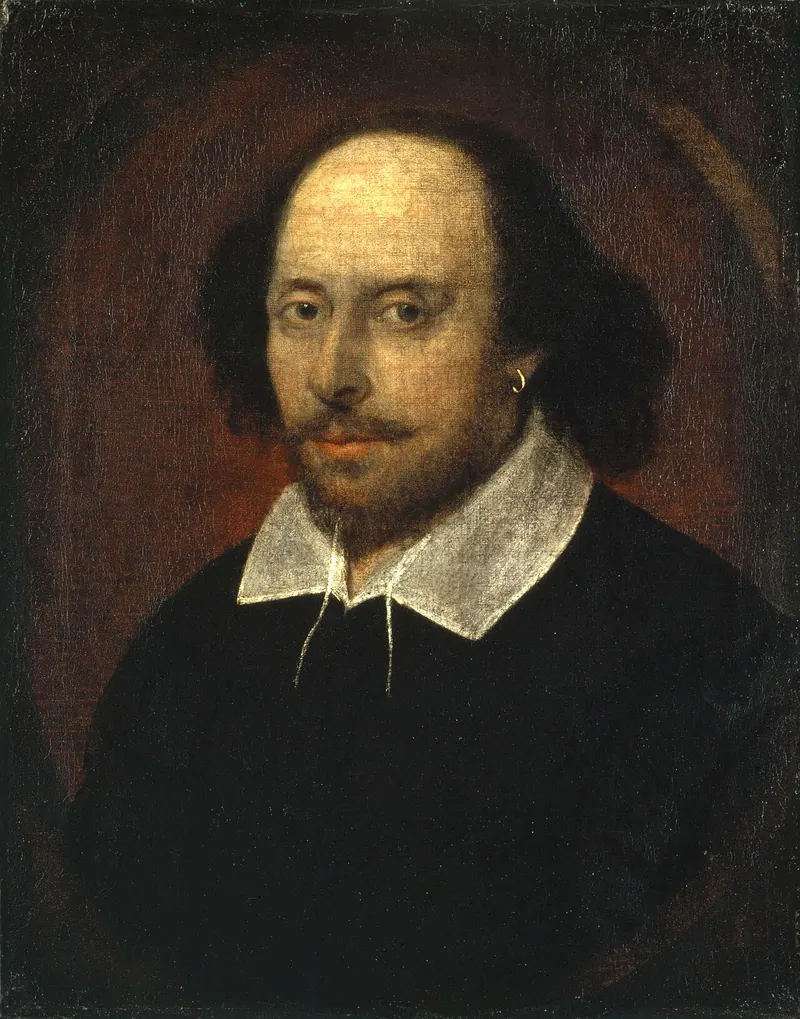
Lives
William Shakespeare
William Shakespeare was an English playwright, poet, and actor whose plays and sonnets are the most widely performed and translated works in the history of English literature.
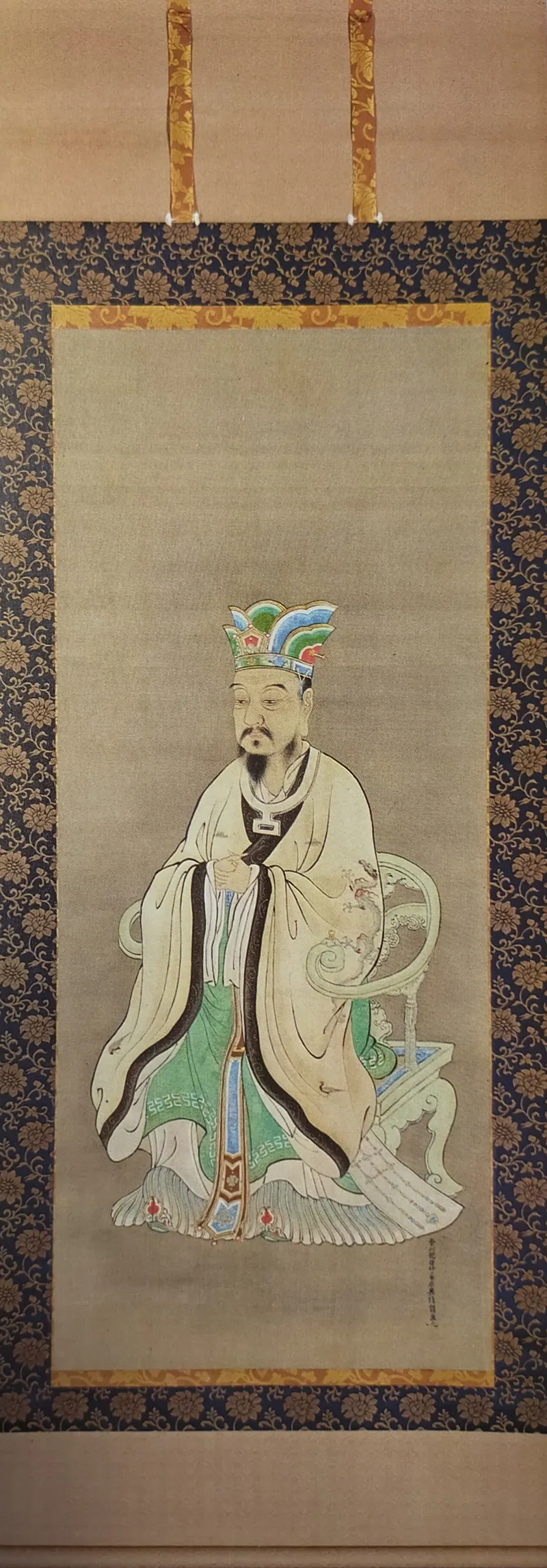
Lives
Confucius
Confucius was a Chinese teacher and political thinker of the Spring and Autumn period whose sayings, collected in the Analects, shaped the ethics, education, and government of East Asia for more than two millennia.
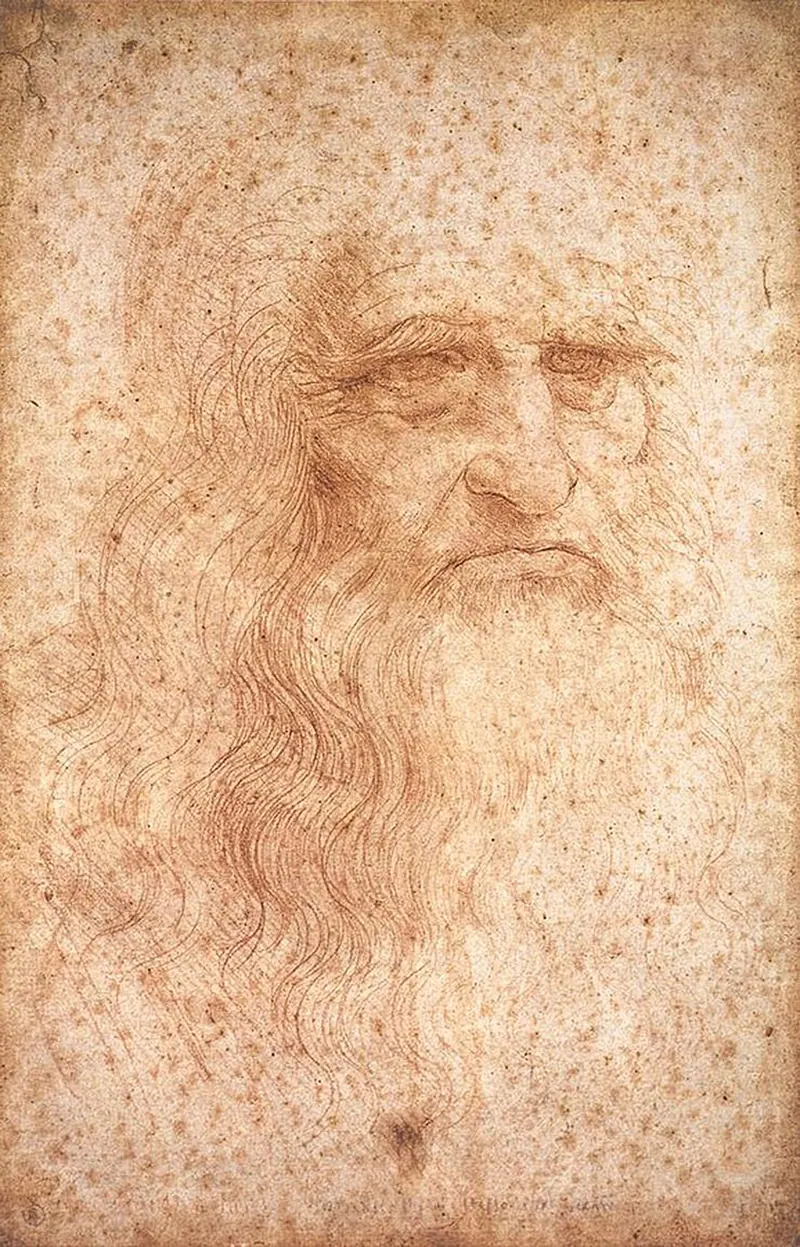
Lives
Leonardo da Vinci
Leonardo da Vinci was an Italian painter, engineer, and anatomist whose few finished paintings and thousands of notebook pages made him the emblem of Renaissance curiosity and the most versatile artist of his age.