Biology
Editorially reviewedHuman
Homo sapiens
Human beings are the only living members of the genus Homo: a bipedal primate that originated in Africa about 300,000 years ago, now numbers more than eight billion, and shapes the biosphere through language and cumulative culture.
Human beings are the only living members of the genus Homo and the only primate to live on every continent. The species originated in Africa about 300,000 years ago and dispersed in successive waves, reaching Australia by roughly 65,000 years ago and the Americas by at least 15,000 years ago .
No single feature defines the species. Habitual upright walking, a large brain, a precise hand, and a childhood lasting nearly two decades combine to produce something unusual: an animal that accumulates knowledge across generations. Language lets each generation begin from what the last learned .
More than eight billion people now live on the planet, and their use of land, water, and energy has reshaped the biosphere. This entry covers the species' origin, anatomy, language and culture, population, genetic variation, and ecological footprint .
Evolution and classification
Homo sapiens was named by Carl Linnaeus in 1758 and belongs to the family Hominidae, the great apes. The genus Homo once contained several species; only one survives. The oldest fossils widely assigned to the species come from Jebel Irhoud in Morocco, dated to about 315,000 years ago, while remains from Omo Kibish in Ethiopia are about 233,000 years old .
Modern anatomy did not appear all at once. A rounded braincase, a small face, and a chin emerge at different times in different populations, and early H. sapiens interbred with other human groups. Outside Africa, living people carry roughly 1–2 per cent Neanderthal ancestry, and some carry Denisovan ancestry as well .
The genetic evidence points to an African origin followed by dispersals that absorbed or replaced earlier populations elsewhere .
Anatomy and physiology
Humans are habitually bipedal. The pelvis is short and bowl-shaped, the femur angles inward, and the spine curves in an S shape that balances the head above the hips. These features make walking and running efficient over long distances, but they narrow the birth canal, making human birth unusually difficult .
The skin is largely hairless and richly supplied with sweat glands, so evaporative cooling allows sustained exertion. The hand has an opposable thumb. The brain weighs about 1.3–1.4 kg, roughly 2 per cent of body mass, yet consumes about a fifth of resting energy .
Humans are omnivores with generalized teeth and a relatively short gut, a combination associated with energy-dense, easy-to-digest food. Growth is slow, and the adolescent growth spurt is unusual among primates.
Language, cognition, and culture
Every documented human society has a full language, with a sound system, grammar, and a vocabulary of thousands of items. Whether language is unique to humans is debated, but no other species has been shown to command a natural language of comparable range.
Human cognition is distinctive in its social reach. People attribute mental states to others, plan for distant futures, teach rather than merely demonstrate, and copy novel actions with high fidelity. These abilities make culture cumulative: inventions are retained, modified, and combined across generations .
The archaeological record shows the result. Blades, hafted points, bone tools, and pigments appear in Africa before 70,000 years ago, and figurative cave painting is at least 40,000 years old .
Population and settlement
The United Nations estimated the world population at about 8.2 billion in 2024, up from 2.5 billion in 1950. Annual growth peaked in the late 1960s at just over 2 per cent and has since fallen below 1 per cent as fertility has declined in most regions. Growth is now concentrated in sub-Saharan Africa, while many high-income countries have fertility below replacement and ageing populations .
More than half of humanity lives in cities, and the proportion is rising. Life expectancy at birth averages about 73 years, though the range between countries is wide, from below 55 to above 84. Migration, internal and international, redistributes people faster than in any earlier period .
Genetic variation
Human genetic diversity is low for a species with such a wide range. Roughly 85 per cent of variation is found within any single population, and only a small fraction separates populations from different continents. The deepest lineages are African, reflecting the species' origin and the longer history of African populations .
Visible traits vary clinally: skin colour, hair form, and body proportions change gradually across geography rather than falling into discrete groups. Skin pigmentation in particular evolved repeatedly and is best explained by latitude and ultraviolet radiation. Geneticists therefore treat race as a social category rather than a biological one, and describe ancestry as continuous rather than typed .
Ecological impact
Humans have altered ecosystems for tens of thousands of years. Fire was used to clear vegetation, and hunting contributed to the extinction of large animals after people reached Australia, the Americas, Madagascar, and New Zealand. Agriculture, deforestation, and the transport of species transformed landscapes long before industrialisation .
Today roughly half of ice-free land is used for crops or grazing, and much freshwater is withdrawn for human use. Greenhouse gas emissions have raised global mean temperature by more than 1.2 °C above the late nineteenth-century baseline, with consequences that include sea-level rise, ocean acidification, and an accelerating rate of extinction. Some scientists describe the present interval as the Anthropocene .
The margin
Sources
6 references · checked at publication
- 1Human
Wikipedia · 2026
- 2World Population Prospects
United Nations Department of Economic and Social Affairs · 2024
- 3New fossils from Jebel Irhoud, Morocco and the pan-African origin of Homo sapiens
Nature · Hublin, J.-J. et al. · 2017
- 4Homo sapiens
Smithsonian Institution, Human Origins Program · 2026
- 5Human evolution
Wikipedia · 2026
- 6Anatomically modern human
Wikipedia · 2026
Found a broken link or a claim that needs a better source? Use “Report an issue” above. Last checked October 21, 2026.
Provenance
How this entry was made
- Edition
- Seed edition
- Drafted with
- quanshu-seed-editor
- Prompt version
- seed-v1
- Reviewed
- October 21, 2026
This entry is part of QuanShu’s Animalia. Its claims are tied to the sources above; where the record is uncertain, the text says so. It has been checked against its cited sources and is open to correction. Read the editorial policy.
Continue reading
Related entries
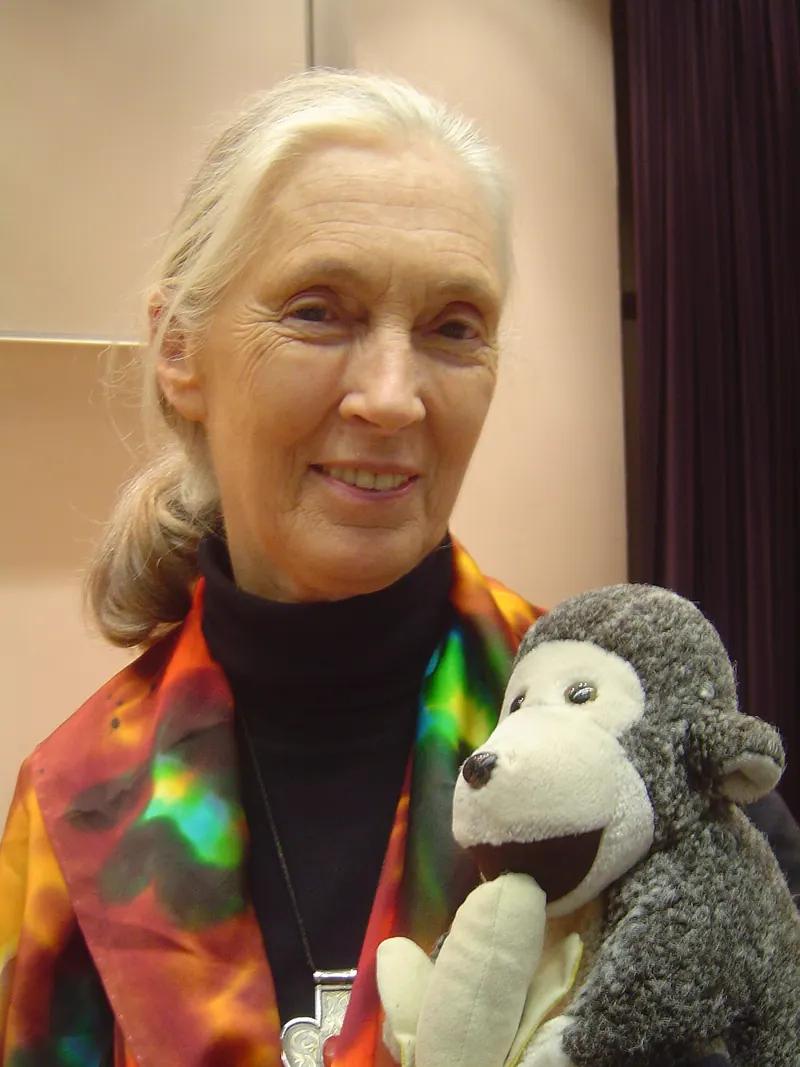
Lives
Jane Goodall
Jane Goodall is an English primatologist whose long-term study of wild chimpanzees at Gombe Stream, Tanzania, reshaped the study of animal behaviour and made her a global conservation advocate.
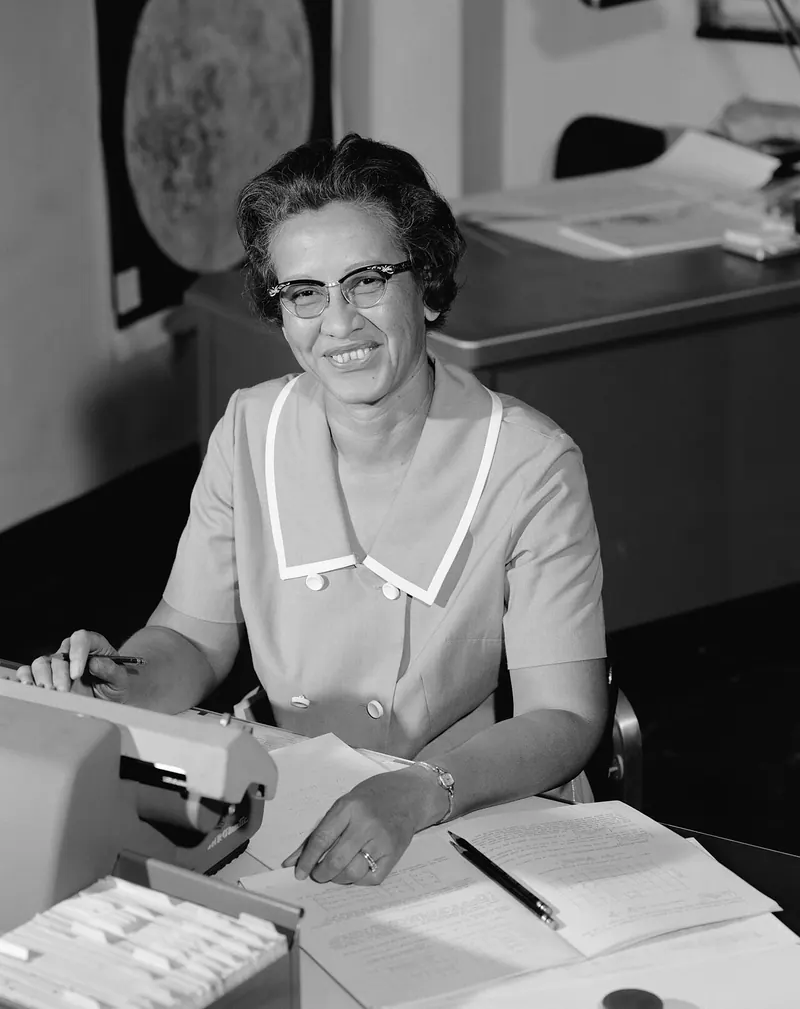
Lives
Katherine Johnson
Katherine Johnson was an American mathematician whose hand calculations of orbital trajectories supported NASA's Mercury, Apollo, and Space Shuttle missions and made her a symbol of overlooked contributors.
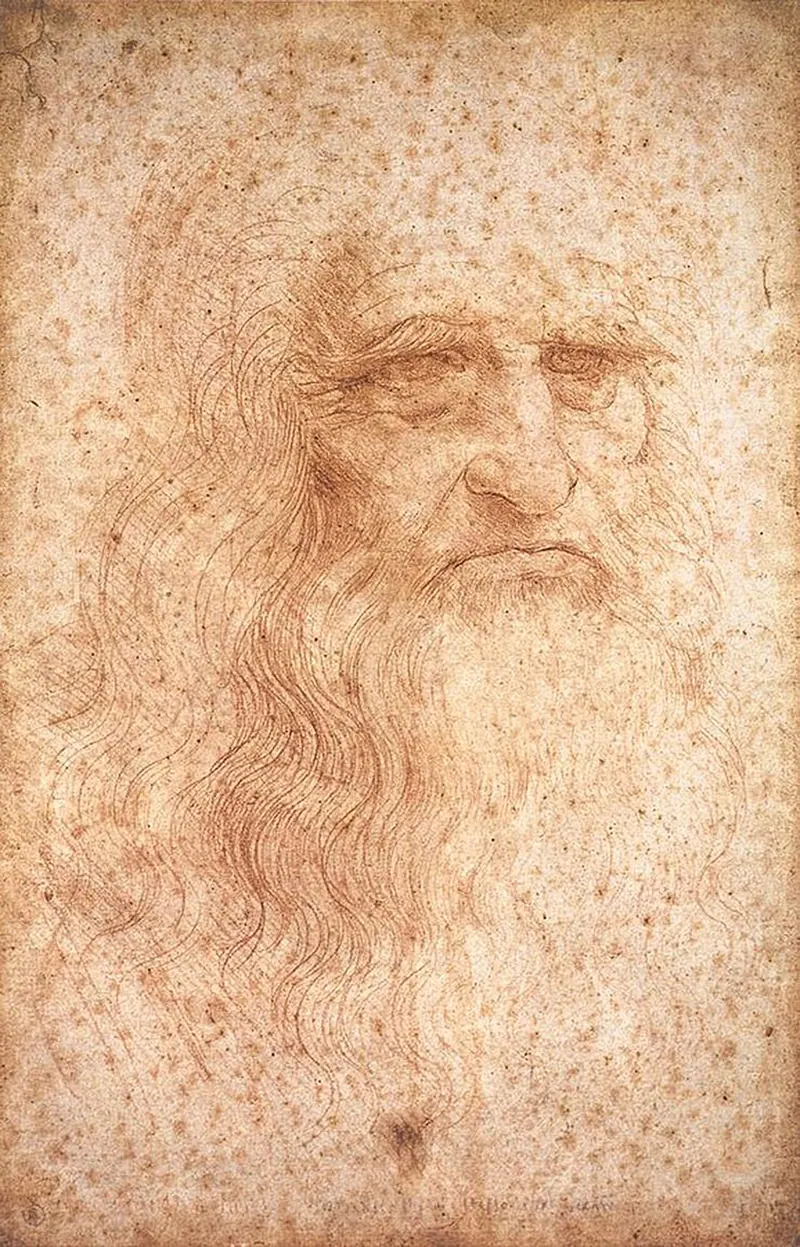
Lives
Leonardo da Vinci
Leonardo da Vinci was an Italian painter, engineer, and anatomist whose few finished paintings and thousands of notebook pages made him the emblem of Renaissance curiosity and the most versatile artist of his age.