Lives
Editorially reviewedWolfgang Amadeus Mozart
Composer (1756–1791)
Wolfgang Amadeus Mozart was an Austrian composer of operas, symphonies, concertos, and chamber music whose more than six hundred works remain central to the concert repertory.
Wolfgang Amadeus Mozart (27 January 1756 – 5 December 1791) was an Austrian composer whose work spans opera, symphony, concerto, chamber music, and sacred music. He wrote more than six hundred works, and many remain central to the concert repertory .
He was born in Salzburg, the son of a court musician, and toured Europe as a child prodigy, performing for princes and emperors. He settled in Vienna in 1781, worked as a freelance composer and performer, and died at thirty-five, leaving an unfinished Requiem .
His reputation has never been stable. The more his music is valued, the more his life is mythologised, and this entry tries to separate the documented career from the later legends.
Salzburg and the family tours
Mozart was born in Salzburg on 27 January 1756, the seventh child of Leopold Mozart, a violinist and composer who ran the archbishop's musical establishment. His sister Maria Anna, known as Nannerl, was a gifted keyboard player, and Leopold trained both children intensively .
In 1762 the family travelled to Vienna, where the six-year-old performed at court. A longer tour followed from 1763 to 1766, through Germany, the Netherlands, France, and England, where Mozart met Johann Christian Bach. Later trips took him to Italy between 1769 and 1773; in Rome he transcribed a forbidden Miserere from memory. By his early teens he had written several operas and symphonies .
Salzburg employment and the break
At seventeen Mozart was appointed Konzertmeister at the Salzburg court, a post that paid modestly and confined him to the archbishop's service. A tour to Paris and Mannheim in 1777–78 failed to produce a better position, and his mother died there. He returned to Salzburg and composed Idomeneo, a serious opera, for Munich in 1781 .
The Salzburg Archbishop Colloredo treated him as a servant, and the relationship collapsed in 1781 during a stay in Vienna. Mozart asked for his discharge and was dismissed, according to a contemporary account, with a kick. He decided to remain in Vienna as an independent composer, a risky choice in a city with no regular court appointment .
Vienna and independence
Vienna in the 1780s was the musical capital of Europe, with a large public concert life, a flourishing theatre, and a nobility willing to pay for music. Mozart gave subscription concerts, sold sheet music, taught pupils, and composed operas for the court theatre and for a popular troupe .
In July 1782 Die Entführung aus dem Serail was a triumph. He married Constanze Weber the following month. The five years that followed produced the great piano concertos and the operas Le nozze di Figaro (1786) and Don Giovanni (1787). The death of Emperor Joseph II in 1790 reduced demand for music, and Mozart's finances tightened at the end of the decade .
The music
Mozart worked in every major form of his time. He wrote forty-one symphonies, twenty-seven piano concertos, more than twenty operas, string quartets and quintets, piano sonatas, masses, and songs. The Köchel catalogue, compiled by Ludwig Ritter von Köchel in 1862, numbers them in rough chronological order and remains the standard reference system .
His style combines clarity of melody with dense counterpoint. The operas move between formal numbers and continuous dramatic action, and the concertos treat the soloist as a partner in conversation with the orchestra. The last three symphonies, the final operas, and the Requiem show him extending the classical idiom toward greater chromaticism and scale .
Money, illness, and death
Mozart earned well in Vienna but spent freely, and his income fluctuated with fashion. He was ill for part of 1791 and died at home on 5 December, aged thirty-five. The official cause, acute miliary fever, has been the subject of speculation ever since, with candidates ranging from rheumatic fever to infection; the poisoning story has no evidence .
He was buried in a common grave at St Marx cemetery, following the burial practice of the time rather than a pauper's expense. The Requiem, commissioned anonymously by Count Walsegg, was unfinished at his death; his pupil Franz Xaver Süssmayr completed it, and the extent of his contribution remains debated .
Reputation
Mozart's reputation has been shaped by myth. The rivalry with Antonio Salieri, popularised by Pushkin and then by Peter Shaffer's play Amadeus, is not supported by the documentary record; Salieri was a colleague who admired his work. The image of Mozart as an eternal child, dictated to by his father and careless of convention, confuses informality with immaturity .
The scholarly picture is less spectacular and more interesting: a composer who worked hard, knew the opera business intimately, and wrote for specific performers and audiences. The Neue Mozart-Ausgabe, the complete edition begun in 1955, replaced earlier corrupt editions, and the Mozarteum in Salzburg remains the centre of documentation and research . The Magic Flute, premiered in September 1791, is now among the most performed operas in the world .
The margin
Sources
5 references · checked at publication
- 1Wolfgang Amadeus Mozart
Wikipedia · 2026
- 2Wolfgang Amadeus Mozart
Encyclopaedia Britannica · 2026
- 3Internationale Stiftung Mozarteum
Internationale Stiftung Mozarteum · 2026
- 4Köchel catalogue
Wikipedia · 2026
- 5The Magic Flute
Wikipedia · 2026
Image credits
- Barbara Krafft · Public domain · source
Found a broken link or a claim that needs a better source? Use “Report an issue” above. Last checked October 21, 2026.
Provenance
How this entry was made
- Edition
- Seed edition
- Drafted with
- quanshu-seed-editor
- Prompt version
- seed-v1
- Reviewed
- October 21, 2026
This entry is part of QuanShu’s Animalia. Its claims are tied to the sources above; where the record is uncertain, the text says so. It has been checked against its cited sources and is open to correction. Read the editorial policy.
Continue reading
Related entries
Lives
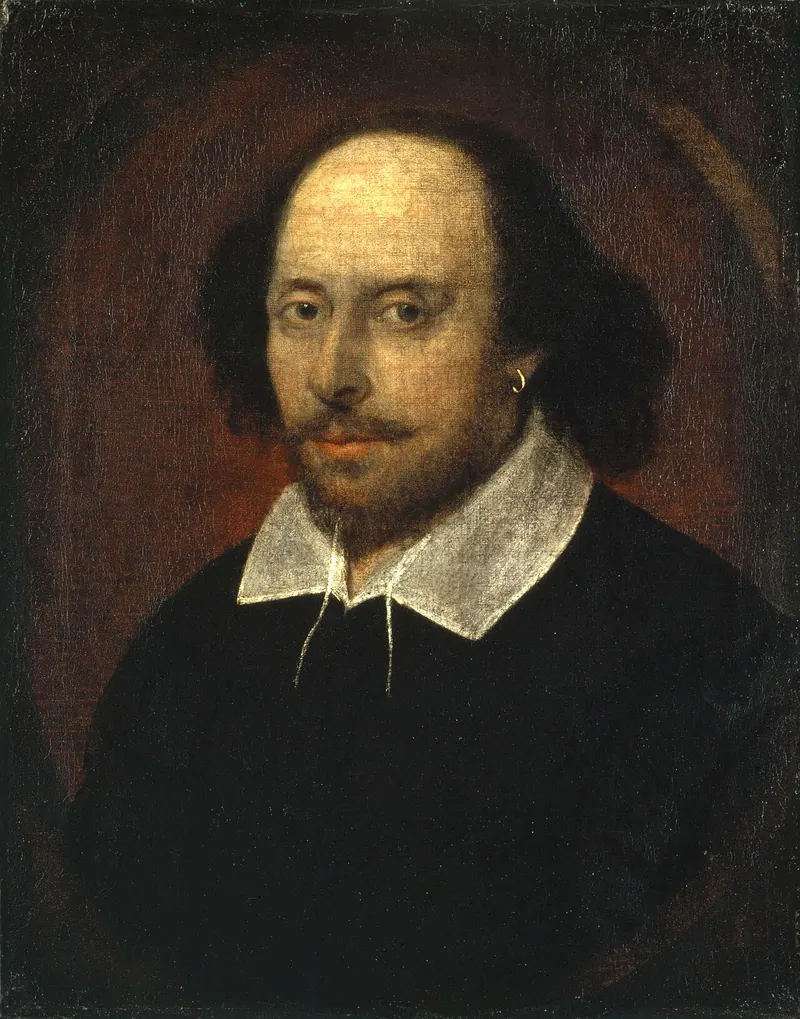
William Shakespeare
William Shakespeare was an English playwright, poet, and actor whose plays and sonnets are the most widely performed and translated works in the history of English literature.
Lives
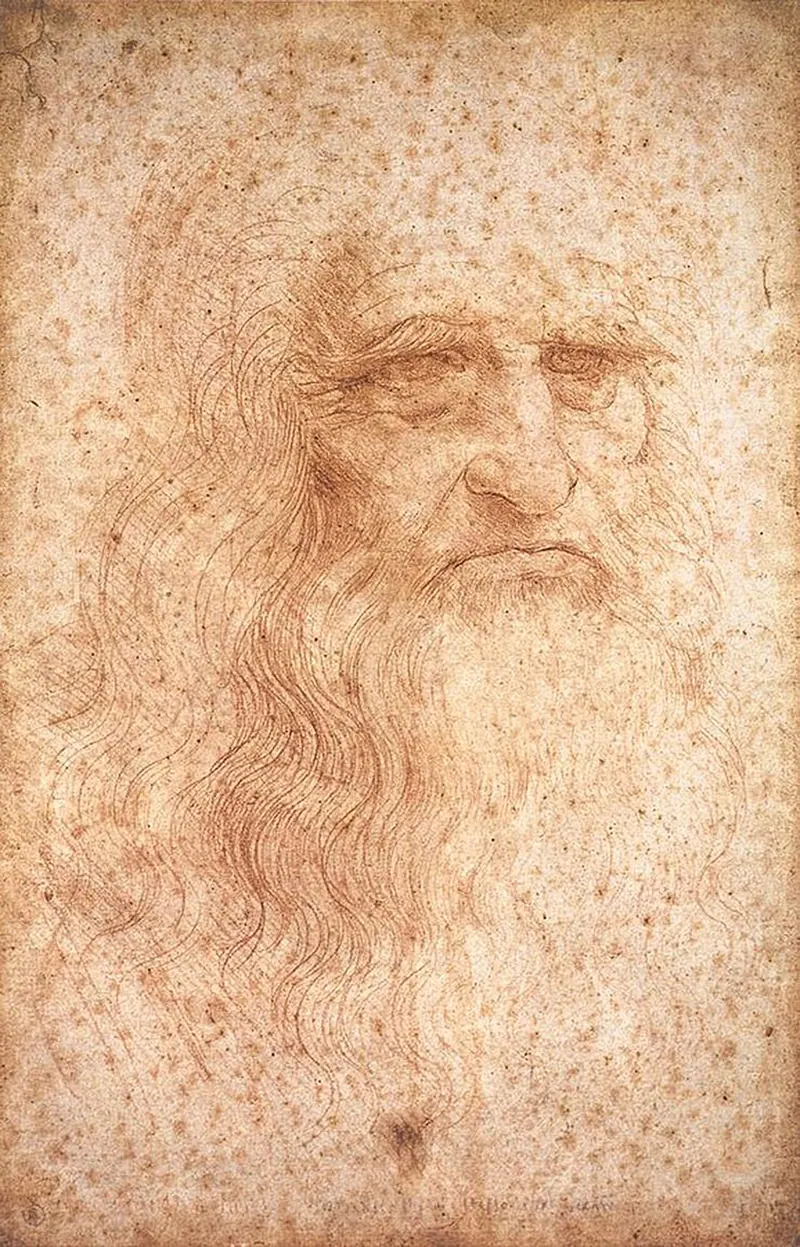
Leonardo da Vinci
Leonardo da Vinci was an Italian painter, engineer, and anatomist whose few finished paintings and thousands of notebook pages made him the emblem of Renaissance curiosity and the most versatile artist of his age.
Lives
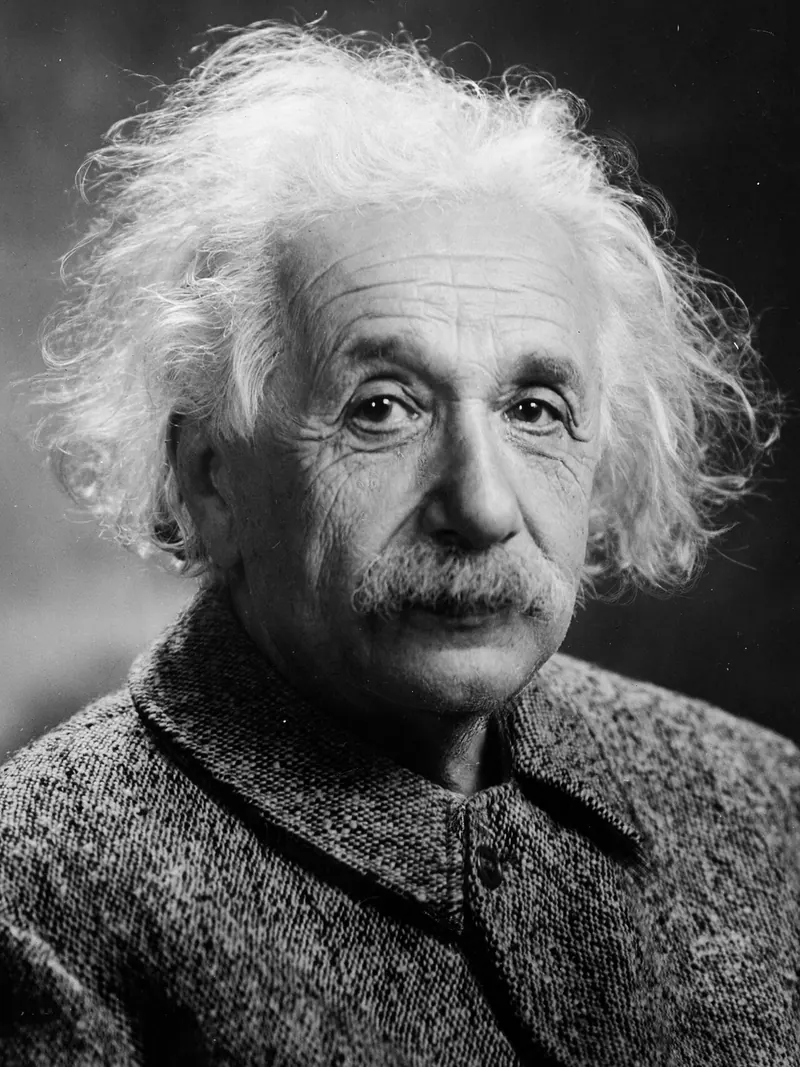
Albert Einstein
Albert Einstein reshaped physics with special and general relativity and the light quantum, won the 1921 Nobel Prize in Physics, and became the twentieth century's most recognisable scientist.